Mozambique’s Bar Association (OAM) calls for independent and impartial investigation into the killing of Narciso Sambo, an unarmed citizen shot dead on Saturday night by members of the Rapid Intervention Unit (UIR – the Mozambican riot police) inside a bar in Xinavane region, in Manhiça district, about 100 kilometres north of Maputo.
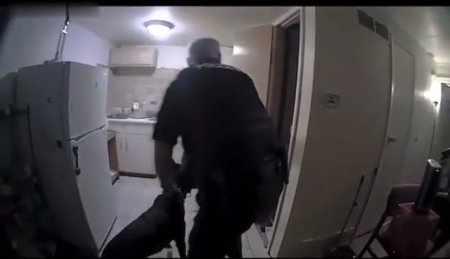
A video footage that went viral on social media shows a group of police officers surrounding a bar. After some of them entered the establishment, gunshots were heard, causing tension among those present. The video then shows the exact moment an officer executes the individual in cold blood, firing multiple shots.
According to the country’s National Criminal Investigation Service (SERNIC), Sambo, commonly known by his nickname Macovo, was one the most wanted criminals in the country for his involvement in more than 10 kidnappings, and “an investigation has been opened clarify the circumstances of the shooting that resulted in the death of the citizen.”
In a statement, the Bar Association calls for full investigation to establish the facts, identify the direct perpetrators and any superiors who may bear responsibility, and ensure they are held criminally, disciplinarily, and civilly accountable.
“No public authority is above the law, and the protection of human life constitutes an insurmountable limit on State power, a power that can never be replaced by extrajudicial executions. In a state governed by the rule of law, no individual loses their status as a subject of rights due to their past, their criminal record, or suspicions directed at them. The dangerousness attributed to a citizen, however grave, does not negate constitutional guarantees nor authorize state agents to usurp the role of the courts”, reads the statement.
According to the document, the police and their specialized units exist to prevent crime, protect people and property, maintain public order, and enforce the law. “It is not their role to judge, convict, or execute citizens. When a state agent arrogates to themselves the power to decide who lives or dies, they cease to act as a guardian of legality and become, instead, a violator of the legal order they swore to uphold.”
The document explains the use of lethal force is subject to the principles of legality, necessity, proportionality, and strict indispensability, “which means that impunity in cases of extrajudicial killings erodes public trust in institutions, undermines the rule of law, and sets dangerous precedents for the normalization of state violence.”
“The defense of human rights applies not only to the innocent but to everyone, and that force cannot be a substitute for justice. The true strength of the rule of law is measured precisely in the most difficult cases and in dealings with the most unpopular citizens”, reads the document.
The country’s National Human Rights Commission (CNDH) has also condemned the killing, expressing its “concern and strong condemnation regarding the case and demands a swift, impartial investigation so that the perpetrators can be held accountable, given that the right to life and physical integrity is inviolable.”